FCL vs LCL: Which One Is Right for Your Order Size?
If you are shipping by sea, one of the first decisions you will make is whether to go with FCL or LCL. The right choice really depends on how much you are bringing in, your budget, and how quickly you need the goods. Let’s break down the differences.
FCL (Full Container Load)
FCL means the entire container (usually a 20-foot or 40-foot container) is yours alone. No one else’s goods are in the box.
Best for: Large orders that fill at least half a container.
Pros: Your goods are handled as one single unit from the Foshan warehouse to Ghana. This means less loading and unloading, which drastically reduces the risk of damage or loss. It is also generally faster once it arrives at the port, as it can be moved directly to the clearance area.
LCL (Less than Container Load)
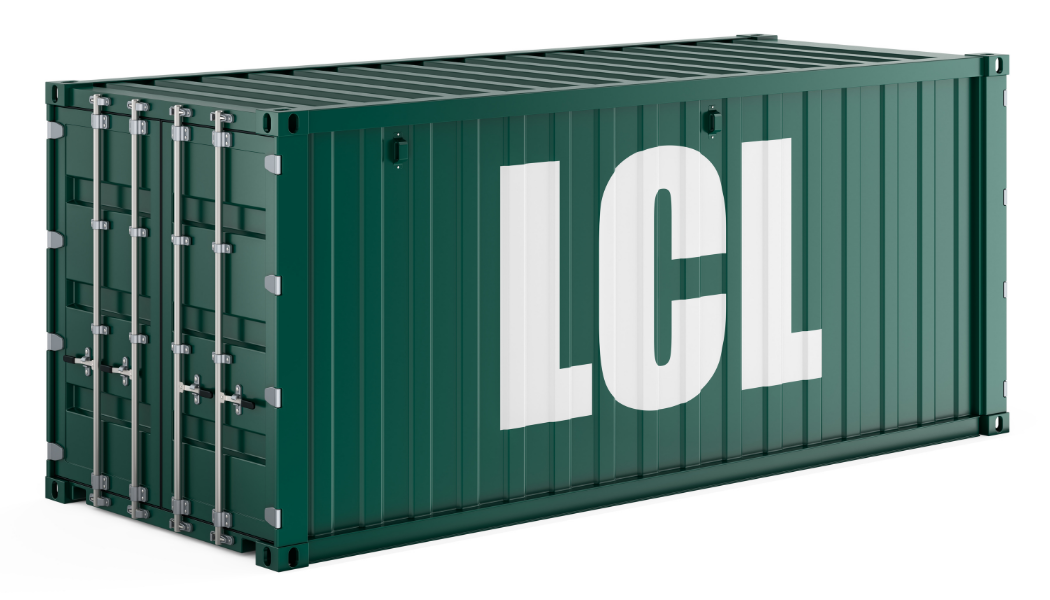
LCL means your goods share a container with other shipments heading the same way. You are essentially renting “space” rather than the whole box.
Best for: Smaller orders that only take up a few pallets or cubic meters (CBM).
Pros: It is highly affordable and flexible. You only pay for the exact space you actually use, making it perfect for startups or businesses testing a new product line.
The Break-Even Point
A simple way to think about it: if you are filling a whole room, go with FCL. If you are filling a few boxes, LCL will save you money.
However, there is a “break-even point” (usually around 13 to 15 CBM). If your cargo is larger than this, it actually becomes cheaper to just book a full 20ft FCL container, even if you don’t fill it to the roof, because you avoid the extra handling fees associated with LCL.
If you are ever unsure about your volume or which option makes the most financial sense for your specific order, our team is happy to calculate the dimensions and help you choose the most cost-effective route.

Leave A Comment